
Imagine Priya, who runs customer success at a 60-person software company. Renewal season starts in two months.
Her boss wants a loyalty program. Sales wants more customers who will vouch for them. A few customers already answer questions in the community. Nobody has asked them what they'd like in return.
Priya has three ideas on the table. Buy points software. Offer discounts. Or invite those helpful customers into a small group. We looked at ten real B2B loyalty programs to help her pick.
Quick answer:
- If customers already help each other: start a small champion group. Give them access, learning and thanks.
- If you can add fresh tasks every month: points can work. Cisco, HubSpot and Salesforce all use them.
- If you want experts to teach others: copy Snowflake and Microsoft. Give recognition and a direct line to the product team.
- If you want partner firms to bring you clients: that's a paid partner program, like Zapier's. Keep it separate from customers.
Ten B2B loyalty programs: the September comparison
Find the row that looks most like what you want to build. This table records what we saw on 24 September 2026. "Could you join?" means the page let you join or apply on that date. "Not listed" means the page didn't mention it. It doesn't mean the program never offers it.
| Program · type | What members do | Rewards reviews or referrals? | Public levels? | What members get | Could you join? |
|---|---|---|---|---|---|
| Cisco Insider · points and levels | Stories, feedback, events, peer help, reviews, references | Reviews and references. No referral reward listed | Yes: Gold, Platinum, Diamond, invite-only Rockstars | Store voucher, learning, access, events. No cash | Yes, for eligible customers and partners |
| HubSpot Community Champions · points | Monthly content, community answers, social and learning tasks | Not listed | Not listed | Points, visibility, learning, peers. No cash | Yes, with an active community profile |
| Salesforce Trailhead · learning and ranks | Finish modules, projects, quizzes and hands-on challenges | Not listed | Yes: Trailblazer ranks | Badges, rank, skills record. No cash | Yes, free account |
| Atlassian Champions · champion group | Answer questions, host events, write, train colleagues | Not listed | No. Two tracks instead | Exam vouchers, event support, access, recognition | Community track: apply. Success track: waitlist |
| AWS Community Builders · expert group | Tech content, open source, talks, community events | Not listed | Not listed | AWS promo credits, mentoring, product-team access | Seasonal. No open window on the linked page |
| Snowflake Data Superheroes · expert and VIP group | Blogs, videos, forums, user groups, talks, feedback | Not listed | Not listed | Training, product access, events, swag, recognition | No. Nominate any time; applications reopen November 2026 |
| Microsoft MVP · expert award | Speaking, writing, mentoring, open source, community help | Not listed | Not listed | Recognition, previews, product-team access, events, tech perks | Nomination only |
| Zapier Solution Partners · partner levels | Build client automation, train, refer new clients | Referrals. No review reward listed | Yes: partner levels | Referral commission, training, directory, co-marketing | Yes, qualifying firms apply |
| Asana Ambassadors · inside champions | Help teammates, share tips, join forums, host meetups | Not listed | Not listed | Badge, learning, private community, swag store | Yes, join link shown |
| Airtable Builder Crews · user groups | Join demos and workshops; lead a Crew | Not listed | Not listed | Peers. Event funding and support for leaders | Yes, any user. Leaders apply |
Cisco runs a full points-and-levels system. Airtable lets any user join a group and funds the people who host. Each one asks a very different amount of work from the team that runs it.
How we did this
We build HighAdvocacy, a tool that helps SaaS teams collect reviews and testimonials. We wanted to know what software companies offer their most loyal customers, in public.
On 24 September 2026 (US Pacific time), we opened the public page for ten live programs. We picked customer, user, expert and partner programs, because B2B teams call all four "loyalty." On each page we asked five questions:
- What does it ask members to do?
- Does it reward reviews or referrals?
- Does it show public levels?
- Do members get cash, or something else?
- Can you join or apply today?
We didn't join, redeem a reward or measure retention. We counted vouchers, credits, swag, event budgets and courses as "not cash," even though they're worth money.
In that September check, only three of the ten use points: Cisco, HubSpot and Salesforce. Three show public levels: Cisco, Salesforce and Zapier. Cisco names reviews as a rewarded task. Zapier names referrals.
Only one pays cash. That's Zapier, and it pays partner firms that bring in new clients, not customers.
Seven let you join or apply right away, on at least one track. Atlassian counts because its Community track takes applications, even though its Success track has a waitlist. AWS needs a seasonal window. Snowflake and Microsoft use nominations.
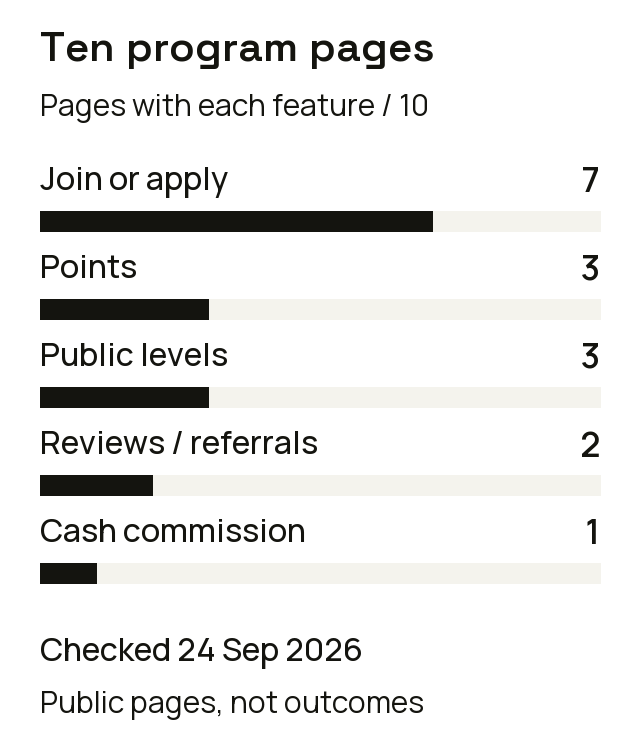
The chart counts what each page says. It doesn't count rewards paid out or programs that worked.
What to check before joining or copying a program
We reopened the ten official program pages on 3 November 2026. This time, we checked the next step: can you join, apply, wait or seek a nomination? We also read the stated entry rules. We did not submit applications, join private groups or test rewards.
The September chart above stays unchanged. These are public-page checks, not membership approvals or a test of retention.
| Program | Public route on 3 November | Entry rule to notice |
|---|---|---|
| Cisco Insider | Join or log in | Free membership is for customers and partners. Higher levels depend on activity; joining does not grant every perk. |
| HubSpot Community Champions | Join through the community | You need an active community profile. Tasks typically run for a month, and members submit a link or completion note for points. |
| Salesforce Trailhead | Create a free account | A Salesforce CRM account is not required. Ranks record learning progress, not permission to use someone as a reference. |
| Atlassian Champions | Apply; Success track has a waitlist | The public Community track and the internal Success track are different routes. Success is still marked beta. |
| AWS Community Builders | Join the waitlist | The current page welcomes applicants aged 18 or older worldwide. A waitlist entry does not mean selection or a place in this year's program. |
| Snowflake Data Superheroes | Nominate a peer; applications still marked closed | The page still promises reopening in November 2026. Check for a real application link before telling someone intake is open. |
| Microsoft MVP | Seek a nomination | Microsoft's September 2025 guide still says a current MVP or full-time Microsoft employee must nominate you. Contributions then go through review. |
| Zapier Solution Partners | Apply as a business | The FAQ asks for a business website and custom-domain email. This is a route for automation service providers, not a reward for using Zapier. |
| Asana Ambassadors | Join through its learning site | The page welcomes all experience levels. Members choose activities; access to a swag store does not promise free merchandise. |
| Airtable Builder Crews | Join a Crew; apply separately to lead one | Any Airtable user, including someone on a free plan, can join without applying. Event funding and program support belong to the leader role. |
AWS's 2020 announcement says people can apply. The current program page offers a waitlist. Snowflake's month-level reopening promise also needs a second check. Neither is a reason to promise immediate membership.
If you copy these examples, write the entry rule beside the benefit. Airtable separates attending from leading. Zapier screens firms that sell services. Trailhead lets someone learn without buying CRM. Those are three different relationships, even when a team calls all of them loyalty.
What members have to keep doing
We also checked what members must keep doing on five of those pages on 3 November 2026. We chose Cisco, AWS, Microsoft, HubSpot and Airtable because their pages explain a time period or event rhythm. We recorded what continues, what gets reviewed and who sets the pace. These are the rules on the pages. We did not track what members did.
Cisco sets different rules for levels and points. Its FAQ counts points by calendar year. Status starts when the member reaches a tier and lasts through the following year. The page's example gives someone who earns 1,000 points in 2026 Platinum status from that point until 31 December 2027. Each person can claim each tier benefit once.
Some benefits have set delivery times. Cisco names regional Road to Cisco Live contest access as an example. Points may expire after twelve months without activity, or if the member's qualifying business relationship with Cisco ends. Rockstars has another step: the Insider team reviews eligible Diamond members. Reaching Diamond puts someone in consideration; it does not grant the invite-only place.
AWS asks returning members to show fresh work. The current FAQ describes one-year membership periods. Someone who reapplies needs examples from the past twelve months. Technical-content links must be public. The page also encourages calls, learning and continued contributions. A past acceptance is therefore different from permission to stay for another year.
Microsoft reviews continued contributions. The MVP guide says MVPs are reviewed each year and renewal depends on continued contributions. It asks candidates to record dates and links for their work before nomination. Their work gets checked when they are nominated, then again to renew. A single signup does not earn the award for life.
Airtable leaves meeting frequency to each Crew. Its FAQ says each group sets its own rhythm. Volunteer leaders organize the events and shape the content; Airtable supplies support and an event budget. Members can follow the calendar. Each local group has its own schedule. One fixed pace does not apply to every Crew.
Across these five pages, we found different clocks. Cisco describes the calendar year, AWS a membership period, Microsoft a renewal review, HubSpot a task window and Airtable a local event rhythm. A single "active member" checkbox would hide those differences. A record of points would not show whether an AWS member reapplied, whether a Microsoft award renewed or whether a Crew held an event.
What to copy from each program
1. Cisco Insider: many ways to take part
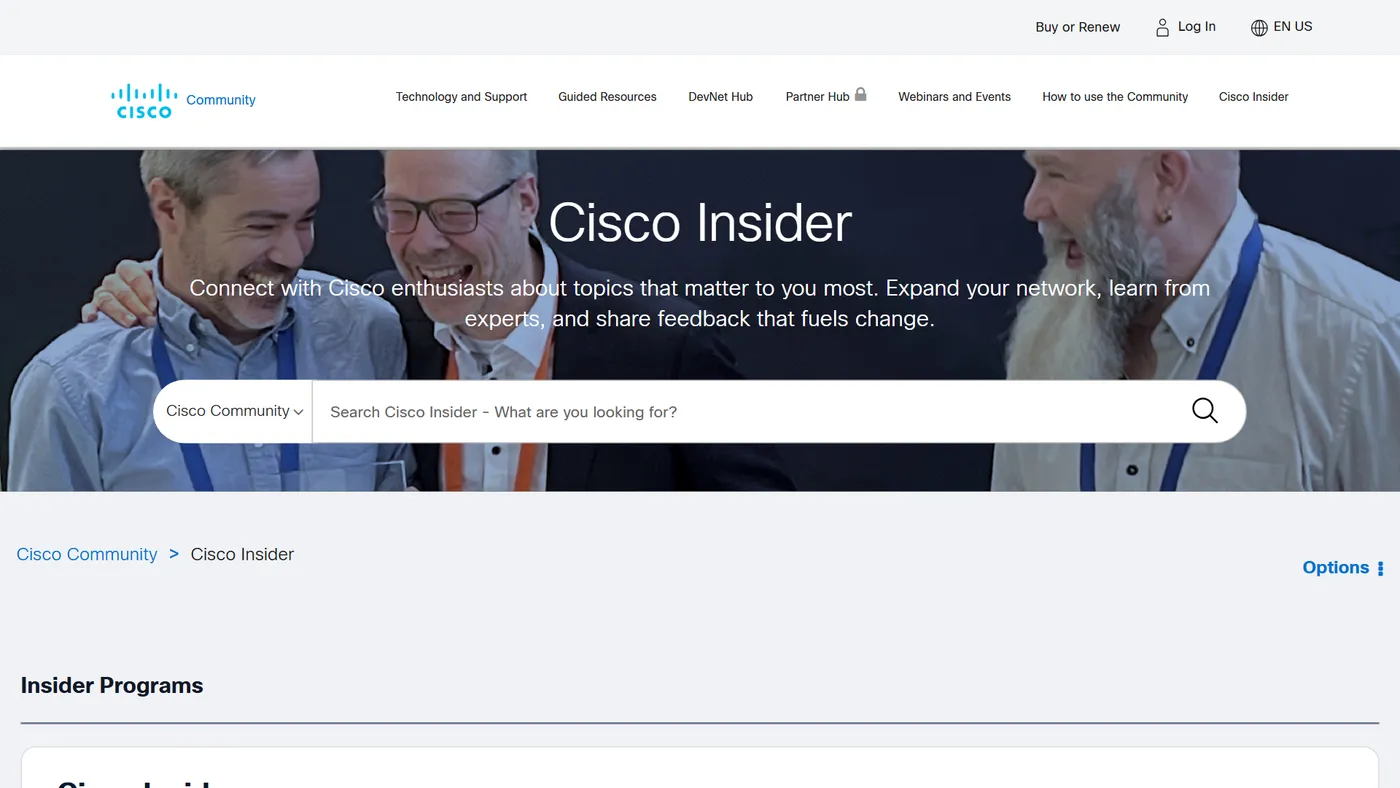
Cisco Insider gives points for advocacy, community work and customer-success tasks. The page names reviews and references, plus surveys, mentoring, events and product use. Members move from Gold to Platinum to Diamond. Top Diamond members may be picked for Rockstars.
At Platinum, the page shows a $50 Cisco Store voucher. Higher levels add event and learning perks.
Copy: let members pick from many kinds of useful work. Skip: building four levels before you have enough tasks and members to fill them. Keep your review rules apart from your points rules, too. Cisco's page can't tell you what each review site allows.
2. HubSpot Community Champions: small tasks, every month
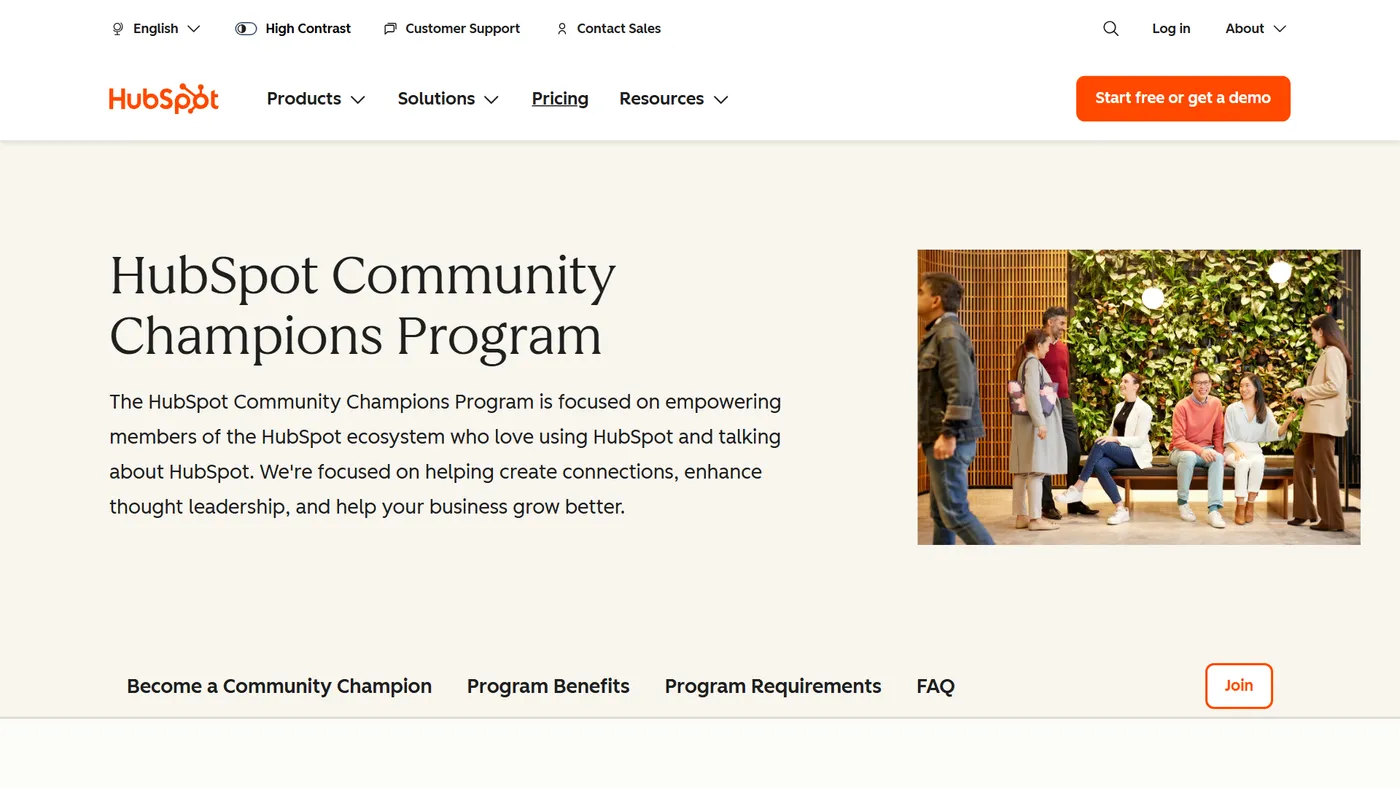
HubSpot posts new tasks each month for active community members. Members reply with a link or a "done" note to get points. Its live opportunities feed shows community answers, content ideas, courses and social posts.
Copy: a short menu that changes each month, a way to show the task is done, and one person who hands out points. Skip: promising a big rewards store the page doesn't explain. Points only matter if members can do something with them.
3. Salesforce Trailhead: reward learning
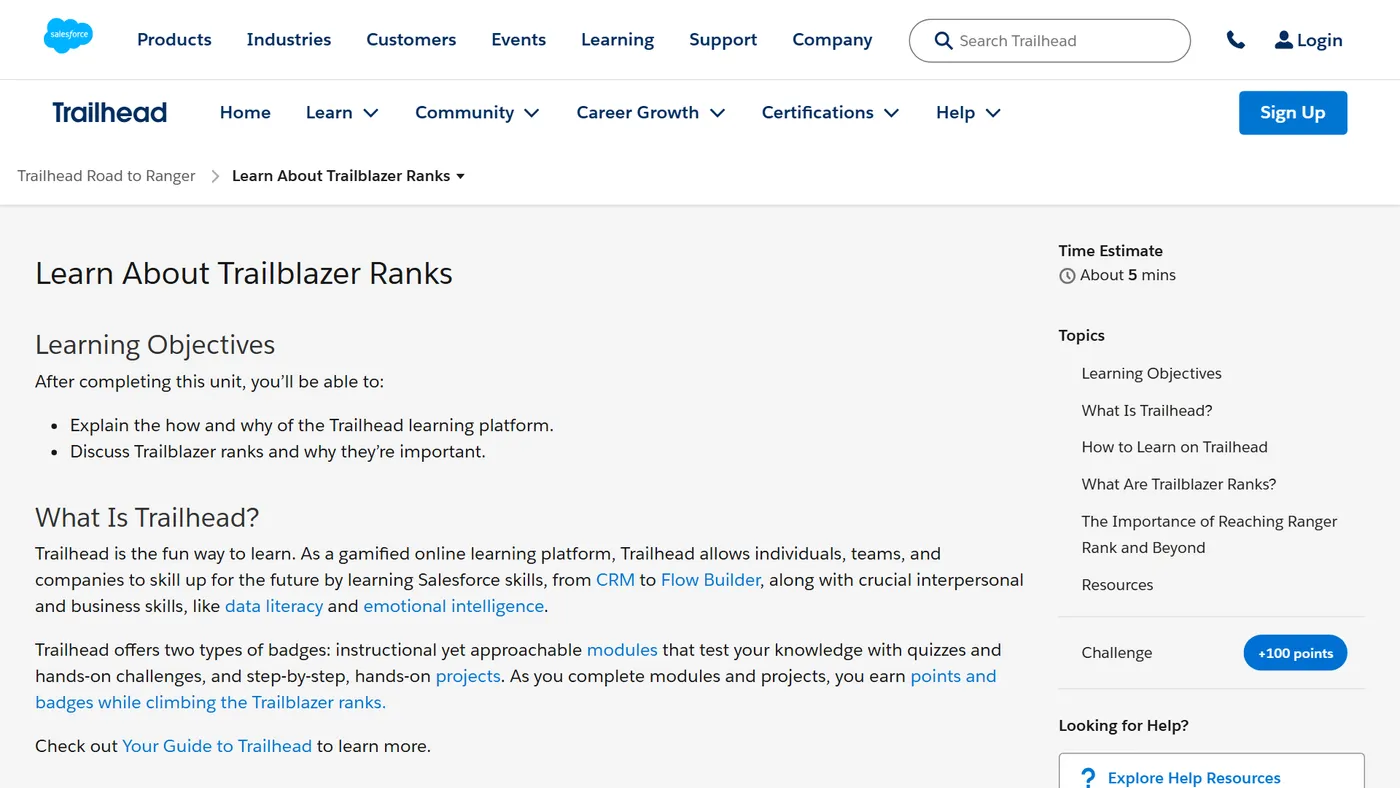
Trailhead gives points and badges for finished modules and projects. Public ranks show how far someone has come. Anyone can get a free account, even without Salesforce CRM. The payoff is a skills record people can show and hands-on practice with the product, not a discount.
Copy: a clear path from the first useful task to a real skill. Skip: calling course completions advocacy. A badge means someone learned. It doesn't mean they agreed to be a reference or speak for you in public.
4. Atlassian Champions: two different jobs
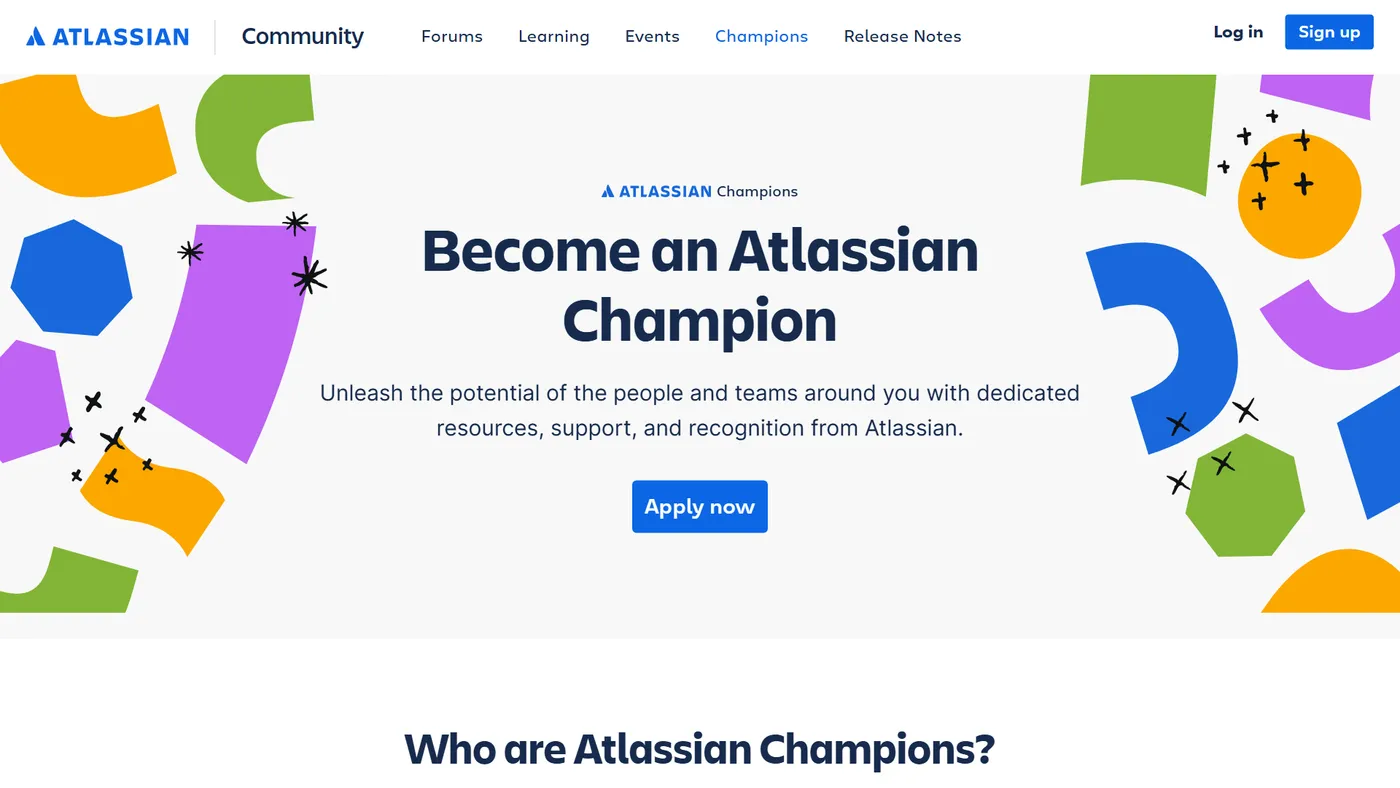
Atlassian Champions has two tracks. Community Champions answer questions and host events. Success Champions help colleagues learn inside their own company. Perks include exam vouchers, private spaces, access to Atlassian teams and event support. The Success track is in beta with a waitlist. The Community track takes applications.
Copy: give the inside champion a different job from the public fan. Skip: calling a waitlist "open," or treating tracks as levels you climb by spending. These people help users succeed long before they'd write a testimonial.
5. AWS Community Builders: credits for people who teach
AWS's 2020 program announcement lists content, open-source work, talks and community events as what they look for. Members get promo AWS credits, mentoring and access to product teams. The program still shows up in AWS's community materials. On 3 November 2026, its current program page shows a waitlist. Use that page for the next intake step.
Copy: match an expert's reward to what it costs them to build demos and teach. Skip: treating product credits as cash, or saying people can join any time. Check the current window before you invite anyone.
6. Snowflake Data Superheroes: reward experts with access
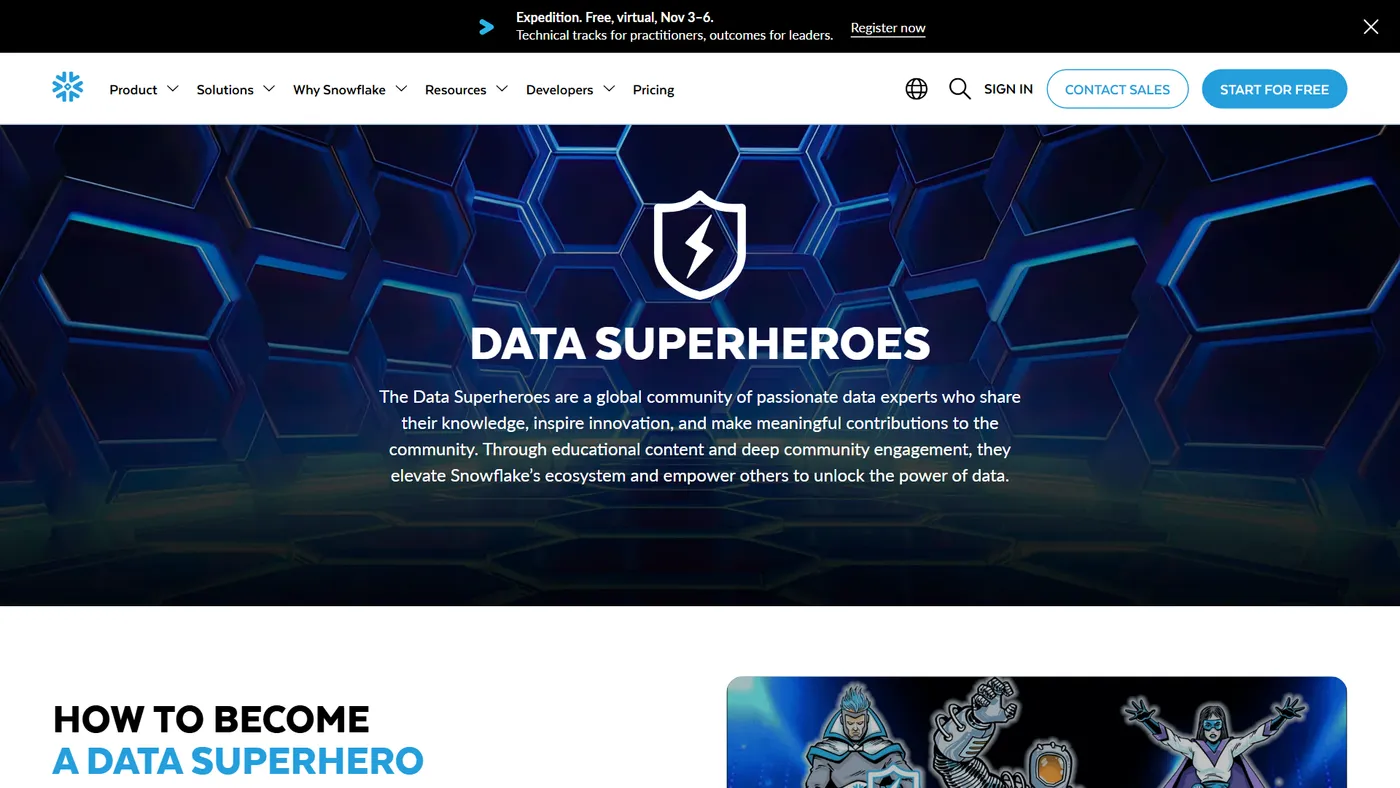
Snowflake's program page asks people to show blogs, videos, forum posts, user-group work or talks. It offers roadmap talks, training, VIP event access, private channels and branded gear. On our 3 November 2026 visit, the page still says applications are closed and will reopen in November. Nominations stay open all year.
Copy: give your best users a direct line to share product feedback. Skip: calling a nomination "instant membership." Someone has to host the talks and reply to the feedback.
7. Microsoft MVP: an award for work already done
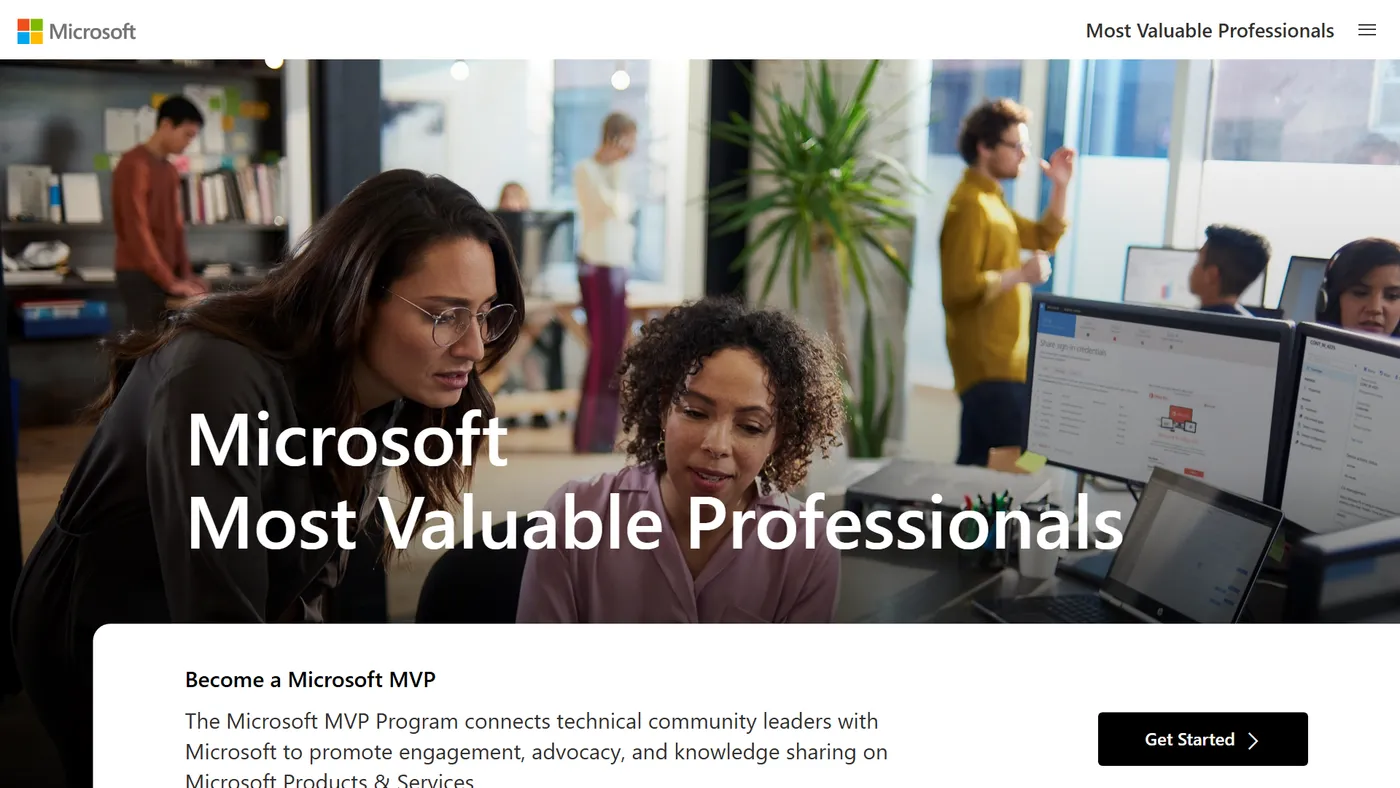
Microsoft's MVP guide talks about speaking, blogging, mentoring and open-source work. Perks include recognition, early product news, contact with product teams and an MVP Summit. Its nomination guidance says a current MVP or a Microsoft employee nominates each person.
Copy: reward work people already do. Set a clear bar and give them a real path to the people who build the product. Skip: using an expert award as a signup offer for every customer.
8. Zapier Solution Partners: a paid business deal
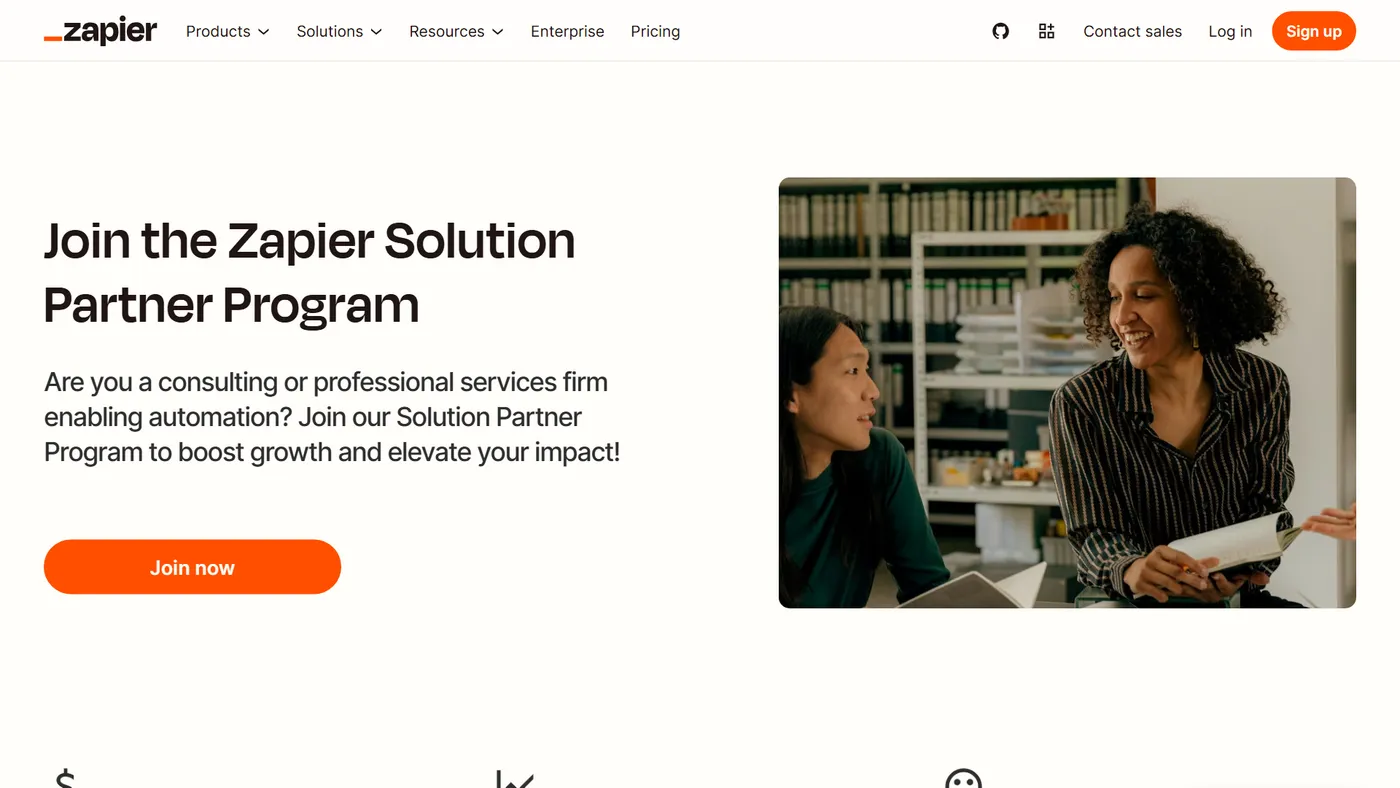
Zapier invites consulting and services firms that build automation for clients. It offers training, a directory listing, co-marketing and a commission for referring new clients. Partner levels depend on certification and client results. Qualifying firms apply.
Copy: say who can join, what the partner does and what triggers payment. Skip: counting paid partners as loyal customers. A services firm has a business deal with Zapier. For customers who introduce other customers, see our B2B referral program examples.
9. Asana Ambassadors: back the champion inside the account
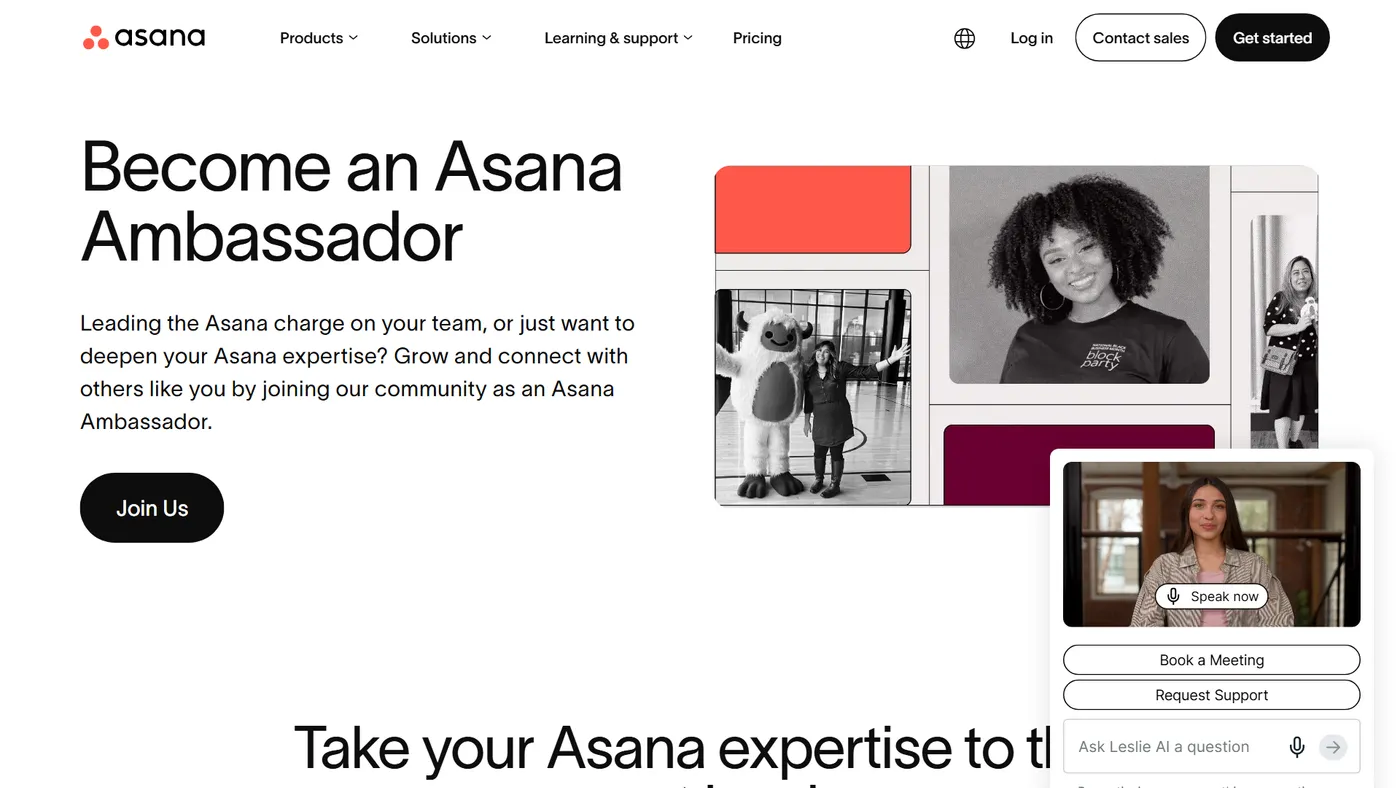
Asana Ambassadors help colleagues use the product, share tips in public, join events or host meetups. They get a badge, a private community, learning, early product news and a members-only swag store. The page welcomes all skill levels and shows a join link.
Copy: support the person who already answers their teammates' questions. Skip: making every ambassador post on social media. Asana lets members choose what fits them. An inside champion can drive adoption without ever endorsing you in public.
10. Airtable Builder Crews: fund the people who host
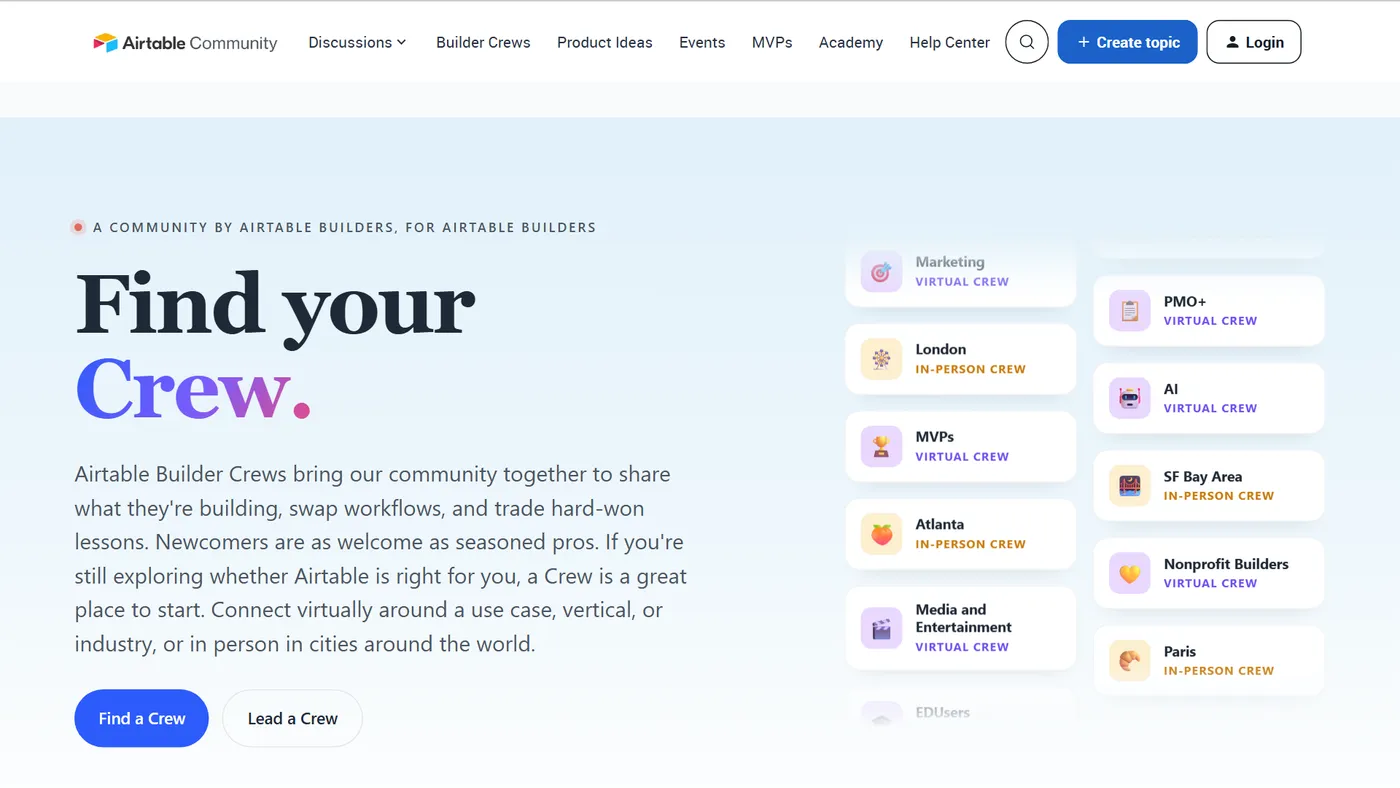
Airtable Builder Crews are online groups by use case and in-person groups by city. Any Airtable user can join. Volunteer leaders host demos, workshops and talks. Airtable says it gives them event funding, a network of other leaders and program support.
Copy: spend money where members do the work: rooms, hosts and good demos. Skip: assuming everyone at an event is ready for a review request. Joining and leading are two different jobs.
Pick the kind of program that fits your goal
Back to Priya. Her helpful community members look a lot like Asana's ambassadors or Atlassian's Community Champions. She doesn't need a points store yet. Use this table to find your own match.
| Kind | Members do | Members get | Start here if | Work to plan for |
|---|---|---|---|---|
| Points | Finish listed tasks | Points toward listed perks | You have many tasks that repeat | New tasks, checking, delivering rewards |
| Levels | Climb public steps | More access, status or perks | Members stay active over time | Fair rules, yearly upkeep |
| Champion group | Teach, answer, host, create | Peers, learning, recognition | Customers already help each other | Moderation, member support |
| VIP or council | Give product or strategy feedback | Time with decision-makers | Experienced users want a voice | Product-team time, follow-up |
| Learning | Finish product courses | Skills, badges, certificates | Adoption depends on user skill | Course content and updates |
| Credits | Build demos or teach with the product | Product credits | Experts pay real usage costs | Who qualifies, credit limits |
The kinds overlap. Cisco uses points and levels. Atlassian includes an advisory-board spot in its Champion perks. AWS uses credits to back tech content. Our types of customer advocacy programs guide covers eight kinds in more depth.
So pick by the job you need done. If renewals are at risk because people don't use the product well, offer training or peer help. If sales can't find customers to vouch for you, build a small customer advocacy program with clear consent. And if customers still struggle with the product, rewards won't fix that. Start with our customer retention guide.
Write the member's job before choosing rewards
Use this short plan to test your choice. It is a worksheet we suggest, not a formula proven by the ten programs.
Program goal: [the one customer action we want to support]
Who can join: [experience or role needed; how they join]
Member's job: [one useful activity they can choose]
Member's benefit: [learning, access, recognition or a stated reward]
Owner and time available: [name; time we can commit]
How we check completion: [link, session record or another clear record]
Permission needed: [private participation; separate public use approval]
What we measure: [activity completed; owner time; member feedback]
Review date: [when we decide to continue, change or stop]
For Priya's imagined team, start with the customers already helping peers. Ask which activity they want to keep doing and what support they need. If nobody can host the group or answer members, a rewards catalog adds another job nobody owns.
A public review is a separate request. Someone can be a useful member without writing one. Keep the invitation rule and destination policy clear before adding review tasks.
Do B2B loyalty programs work?
They can change what customers do. But none of these ten pages shows what members would have done anyway. So run a small test before you build something big.
A 2019 study of 818 business customers in one loyalty program found that how often customers got rewards was more closely linked to sales than how recent the last reward was or how many points they redeemed. The authors warn the data came from one company in one country. It doesn't test SaaS champion groups. It also doesn't show that giving every customer points would lift retention.
A 2022 study in the Journal of the Academy of Marketing Science pooled 429 results from studies published or available between 1990 and 2020. Programs had a bigger effect on what customers did than on how they felt. Results varied by program design and industry. That supports testing one clear behavior. It doesn't give you an ROI number for a growing SaaS company.
For your first test, pick one problem. Track the same group of eligible customers over time:
- A learning program: invited users who finish training, then use the feature.
- A champion group: useful answers and people who come back.
- A reference program: approved customers, requests filled and days to fill.
Watch renewals and expansion too. But don't credit every renewal to the program. Engaged customers were probably different before they joined.
At a 50-to-200-person sales-led company, check one thing first. One owner needs time to post good tasks, check them, answer members and deliver rewards every month. If nobody has that time, start with a short invite to a few willing customers and a clear reason to say yes. Add points once you have real tasks that repeat.
Rewards for reviews need their own rules
Cisco's page lists reviews as a way to earn points. Check the review site's rules before you copy that. The FTC's review guidance says a reward can't depend on a positive review. The link between you and the reviewer should be disclosed. And some platforms ban paid-for reviews completely. The FTC's 2024 rule Q&A also covers stated or implied conditions about what a review must say. Our older FTC guidelines for incentivized reviews guide is background reading. Do not use it to set a reward amount. Check current official guidance and the review site's rules before adding review tasks.
When sales just needs customers to vouch for you
Think back to Priya. Sales didn't really ask for a loyalty program. They asked for customers who will vouch for them. Often that means a review on G2, a short quote or a video from a similar company. You can collect those without running a community.
That's where HighAdvocacy fits. You can set up written or video testimonial questions on a campaign page, then share the campaign with customers. For a public review, the campaign links to the review site; the customer writes there and sends back the review link and screenshot.
Optional Smart Draft helps with review and social-post drafts. Customers can edit or skip it. Testimonials use your questions instead. Check the destination's rules before enabling draft help or offering any reward; HighAdvocacy's internal approval does not replace the review site's moderation.
Submissions reach the Inbox for a decision. The Library lets your team search and filter what you have collected. A CSAT or NPS score can be useful feedback, but it is not permission to publish a quote or a reason to invite only likely-positive public reviewers.
HighAdvocacy doesn't run a points-based community or book live reference calls. If you want a champion group like Atlassian's or Asana's, pair it with a community tool.
Your next step
Write down the ten customers who helped you most last quarter. Next to each name, note what they did: answered a question, gave a review, took a call or trained a teammate.
The most common action tells you which row of the table to start with. If most of it was reviews and testimonials, see HighAdvocacy's current plans. You can open HighAdvocacy to set up a campaign for that job.
FAQ
What is a B2B loyalty program?
It's a set way to thank business customers, users or partners who keep taking part. They might learn, teach peers, give feedback, act as a reference or bring a new client. The rewards should fit the relationship.
How are B2B customer loyalty programs different from referral programs?
A referral program rewards an introduction. A loyalty program can also cover learning, community help, feedback and recognition. Keep partner commissions, like Zapier's, separate from customer referrals.
Should we start with points or a champion community?
Use points when you can post and check a steady menu of tasks and explain what members earn. Start a small champion group when customers already help each other. You can add points later.
Can we reward customers for reviews?
Sometimes, if the review site's current policy allows it. Where it's allowed, the reward can't depend on a positive review, and you may need to disclose it. A platform's stricter rule still applies, even if the FTC allows the reward.
How should we measure whether a B2B loyalty program works?
Measure the one action the program should change, before and after. Compare with eligible customers who didn't join, if you can. Track the owner's time and reward costs, and don't assume the program caused every renewal.